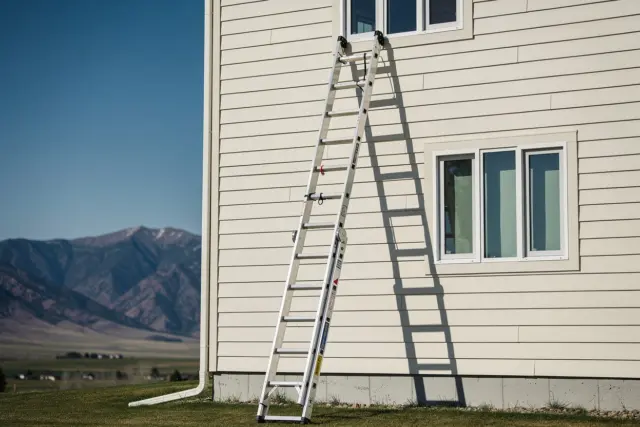
Cleaning second-story windows yourself: the ladder numbers
How many people are hurt on ladders each year, the setup rules that stop the most common fall, and when the upper floor is a job to hand over.
Learn
Less than the internet says, and more in some places than others. What the measurements actually show, and where dirt really costs you light.
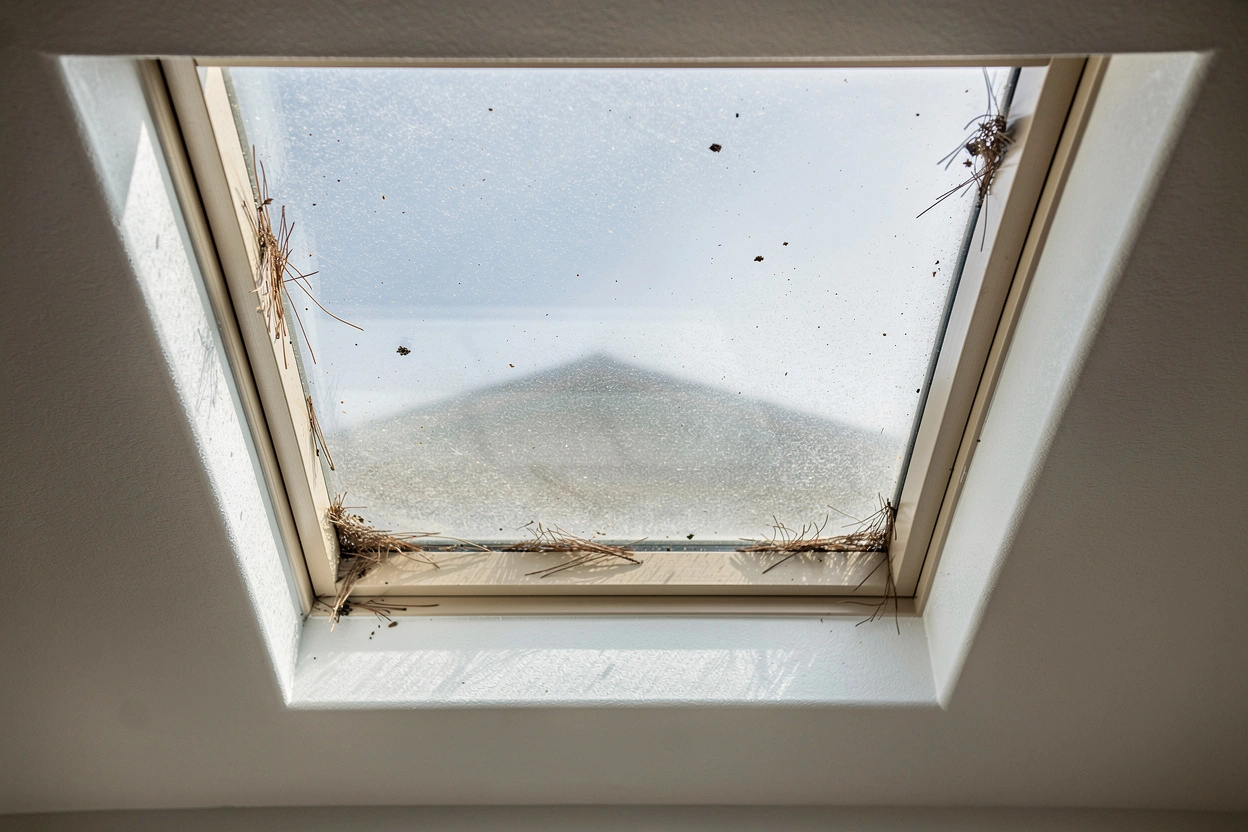
You will find claims online that dirty windows block 20 to 40 percent of your daylight. We went looking for the study behind that number and could not find one for house windows. Here is what the measurements actually say, and where dirt really does cost you light.
The best field study we found measured 430 windows across a large city in the UK. Its conclusion: the light lost to dirt on an upright window “did not usually exceed 10%.” The biggest factors were how the building was used, how steeply the glass was tilted, and whether an overhang sheltered it from rain.
The UK’s daylighting guide turns findings like that into the allowances architects design with. For regularly cleaned glass, it assumes these losses:
| Glass | Suburban or rural | City |
|---|---|---|
| Upright window, open to the rain | 4% | 8% |
| Upright window under a balcony or overhang | 12% | 24% |
| Sloped skylight | 8% | 16% |
| Flat skylight | 12% | 24% |
The 20 to 40 percent figures are real measurements, of something else. Thirty days of tropical dust on greenhouse plastic film cut the light getting through from about 88% to about 76%. Greenhouse plastic in Riyadh lost 15% of the light plants use after three months. Those are flat-ish plastic sheets in dusty climates, not a vertical pane of glass that rain rinses a few times a month.
Most of the year, a few percent is not something you would notice. In a Bozeman December it is a few percent of very little: the sun is up for under nine hours and never climbs far above the mountains. Winter light in Bozeman covers what that means indoors.
Plants notice too. Greenhouse growers have measured that, for crops short of light, each 1% more light brings roughly 0.5 to 1% more growth. That is a greenhouse finding, but a houseplant in a Montana winter is short of light in the same way. Houseplants in a Montana winter has the practical side.
And clean glass is about the view as much as the light. You can measure a 5% loss. You can see a sprinkler-hazed picture window from across the room.
Learn
How many people are hurt on ladders each year, the setup rules that stop the most common fall, and when the upper floor is a job to hand over.
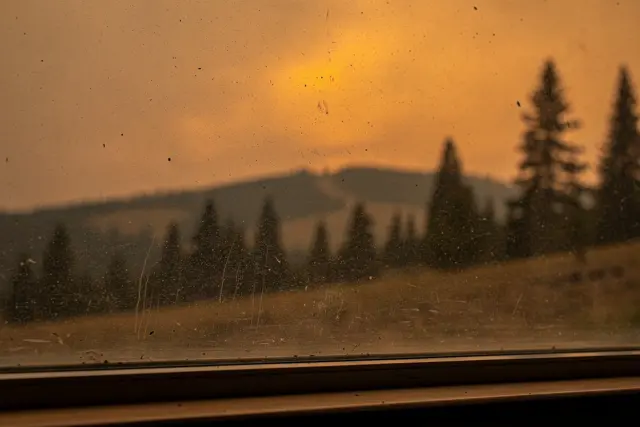
Smoke leaves ash and soot on glass and screens. How to clean it off without scratching the glass or breathing it in, and when to wait.
What Montana's security deposit law says about cleaning charges, the notice a landlord has to give first, and the deadlines for getting the rest back.
Send a couple of photos for a ballpark, usually back the same day. The quote is free.
Quick quote
Leave your name and number and we will get back to you with a quote. No obligation.